

Replacing a boiler is one of those jobs where a small oversight at installation can cause years of grief, a voided warranty, a boiler that keeps cutting out in winter, or a heating system that never quite performs the way it should. Most of that comes down to a handful of avoidable mistakes, some obvious, some that even experienced homeowners never think to ask about. Here’s what actually goes wrong, based on what we see across boiler installations in Nottingham, Beeston, West Bridgford, Stapleford and Long Eaton, and how to make sure it doesn’t happen to you.
An undersized boiler struggles to keep up with your home’s heating and hot water demand, while an oversized one costs more upfront and can run less efficiently than a correctly sized one. This mistake usually happens when a boiler is quoted over the phone, or swapped like-for-like without checking whether your household’s needs have actually changed since the old one was fitted.
The number of bathrooms, your hot water usage, the number of radiators, and whether the household is likely to grow all affect what size and type of boiler you need. A proper installer should carry out a heat-loss calculation and survey your property before recommending a kW size or telling you whether a combi, system, or regular boiler is the right fit, not just quote based on what you already have.
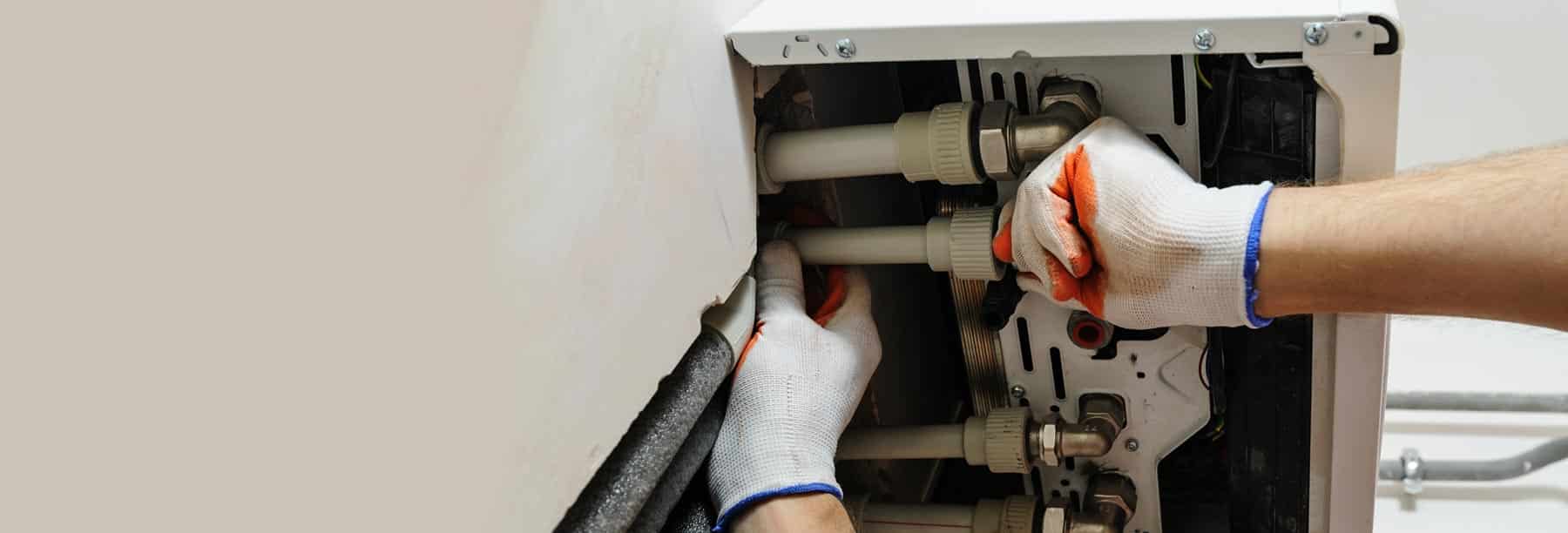
This is the one mistake that can turn a heating upgrade into a genuine safety risk. Fitting a gas boiler is legally restricted to Gas Safe registered engineers, and it’s a criminal offence for anyone else to carry out the work. Using an unqualified installer can mean a dangerously fitted appliance, an automatically invalid manufacturer warranty, and problems with your home insurance if something goes wrong later.
Always ask to see an engineer’s Gas Safe ID card before work starts, and you can independently check anyone’s registration at gassaferegister.co.uk using their licence number. A legitimate installer will never be reluctant to show you this.
A brand new boiler fitted onto an old, sludgy central heating system rarely performs the way it should. Blocked pipework, corroded radiators, and years of built-up sludge circulating through the system can undermine even the best boiler from day one, causing cold spots, noisy operation, and premature wear.
Before fitting anything new, a good engineer should check system pressure and circulation, inspect your valves, thermostats and controls, and recommend a power flush if there’s evidence of sludge or debris. Skipping this step to save money upfront is one of the most common reasons a new boiler underperforms.
This is a genuinely underrated mistake. Under British Standard BS 7593:2019, a magnetic filter should be fitted on the system return pipe as close to the boiler as possible on every new or replacement boiler installation. It captures the metallic sludge and debris that circulate through a central heating system, protecting the boiler’s internal components from wear.
On many current boiler ranges, including several Worcester Bosch and Baxi models, fitting and maintaining a magnetic filter isn’t optional, it’s an actual condition of keeping the manufacturer’s extended warranty valid. If a quote doesn’t mention one, ask why.
Smart thermostats and heating controls aren’t just a nice extra to ask about, for new gas boiler installations in England, at least one additional control (such as a smart thermostat, weather compensation, or flue gas heat recovery) is now a legal requirement under Boiler Plus regulations, alongside a minimum efficiency rating for the boiler itself.
Beyond the legal side, skipping this step means missing out on better control over your heating, more accurate scheduling, and in many cases a noticeable reduction in energy use. A compliant installer will build this into your installation as standard, so it’s worth confirming it’s included rather than assuming it is.
The boiler itself is often only part of the cost. Depending on your property, a proper installation might also involve a magnetic filter, an upgraded flue, additional pipework, a system flush, new controls to meet Boiler Plus requirements, and condensate pipe work. A quote that only covers “boiler and labour” can end up costing considerably more once these extras are added on part-way through the job.
Ask for an itemised quote upfront that clearly states what’s included, and be wary of any quote that seems unusually low compared to others, it may simply be missing items that get added later.
Most manufacturers require you to register a new boiler within 30 days of installation to activate the full guarantee, sometimes as long as 10 to 12 years. Miss that window, and the warranty can drop back down to as little as one year as standard. This is easy to overlook once the engineer has left and the heating’s working again.
A good installer will register it for you or tell you exactly how to do it yourself, you’ll typically need the boiler’s serial number and the installation address. If you’re not sure whether yours was registered, it’s worth checking directly with the manufacturer.
Condensate pipe freezing is one of the most common causes of boiler breakdowns during cold snaps in the UK, and it almost always comes down to how the pipe was installed. Where possible, the condensate pipe should be routed internally to an internal drain, since pipework run externally is far more exposed to freezing temperatures.
Where an external run can’t be avoided, the pipe should be a wider bore (typically 32mm) and properly lagged with weatherproof insulation along its full length. If your installer routes it externally without insulating it properly, don’t be surprised if your boiler locks out on the coldest morning of the year.
A new boiler is a long-term investment, and like any appliance, it needs regular upkeep to keep performing the way it did on day one. Skipping the annual service is one of the quickest ways to invalidate your warranty, since most manufacturers make yearly servicing a condition of cover, and it also increases the risk of an unexpected breakdown.
Book your first annual service into the calendar as soon as your boiler is installed, rather than waiting until something goes wrong. A well-maintained boiler can comfortably last 10 to 15 years or more, a neglected one often won’t get close.

Every mistake above comes down to the same root cause: cutting a corner somewhere in the process, whether that’s the installer’s qualifications, the condition of the existing system, or what’s actually included in the quote. A thorough survey, a properly itemised quote, and an installer who’s upfront about compliance requirements will avoid nearly all of them before work even starts.
Upgrading your heating system is a big decision, and getting it wrong can cost time, money, and comfort. A new central heating unit should improve your home’s energy efficiency, reduce your bills, and keep you warm year-round. But if mistakes are made during the process, it can quickly turn into a costly headache. Whether you’re a homeowner in Nottingham or a landlord in Long Eaton, here are five key errors to steer clear of when arranging your next boiler replacement. With help from qualified heating engineers, you can get the job done right, first time.
One of the most common mistakes is selecting a system that doesn’t match your household’s needs. A boiler that’s too small may struggle to heat your home, while one that’s too large can waste energy and inflate your bills.
Think about:
A professional heating technician can assess your property and recommend the right type – whether that’s a compact combi boiler or a larger system setup with a hot water cylinder.
A boiler is a gas appliance, and fitting it should only ever be done by a certified, Gas Safe registered technician. DIY attempts or hiring unqualified tradespeople can lead to dangerous faults, invalid warranties, and legal issues.
Always:
Working with experienced heating professionals ensures safety and compliance with UK building regulations.
Some people assume a new boiler will solve all their heating problems, but issues with the wider system – like blocked pipework, faulty radiators, or sludge build-up – can still affect performance.
Before installation, your engineer should:
Ignoring these elements may reduce the efficiency of your new system from day one.
Modern heating systems work best with smart or programmable controls that help you manage your energy use. Skipping this upgrade can mean missing out on big savings and more precise home comfort.
Consider asking your installer about:
They not only improve efficiency but also help you track energy consumption more effectively.
A new boiler is a long-term investment, and like any system, it needs regular upkeep. Skipping annual servicing can lead to unexpected breakdowns and shorten the lifespan of your unit.
Make sure to:
A well-maintained boiler can last 12–15 years or longer, making your investment go further.
A smooth, stress-free boiler upgrade comes down to proper planning and working with trusted professionals. From selecting the right model to ensuring a safe and compliant fit, our team of experienced engineers offers honest advice and high-quality workmanship across Nottingham, Beeston, West Bridgford, Stapleford and Long Eaton.
If you’re planning a heating system upgrade and want to avoid the common pitfalls, get in touch with our friendly, qualified team. We’ll guide you through the process, recommend the right options for your property, and ensure everything is installed to the highest standard.
Let us help you heat your home the right way – safely, efficiently, and without the stress.